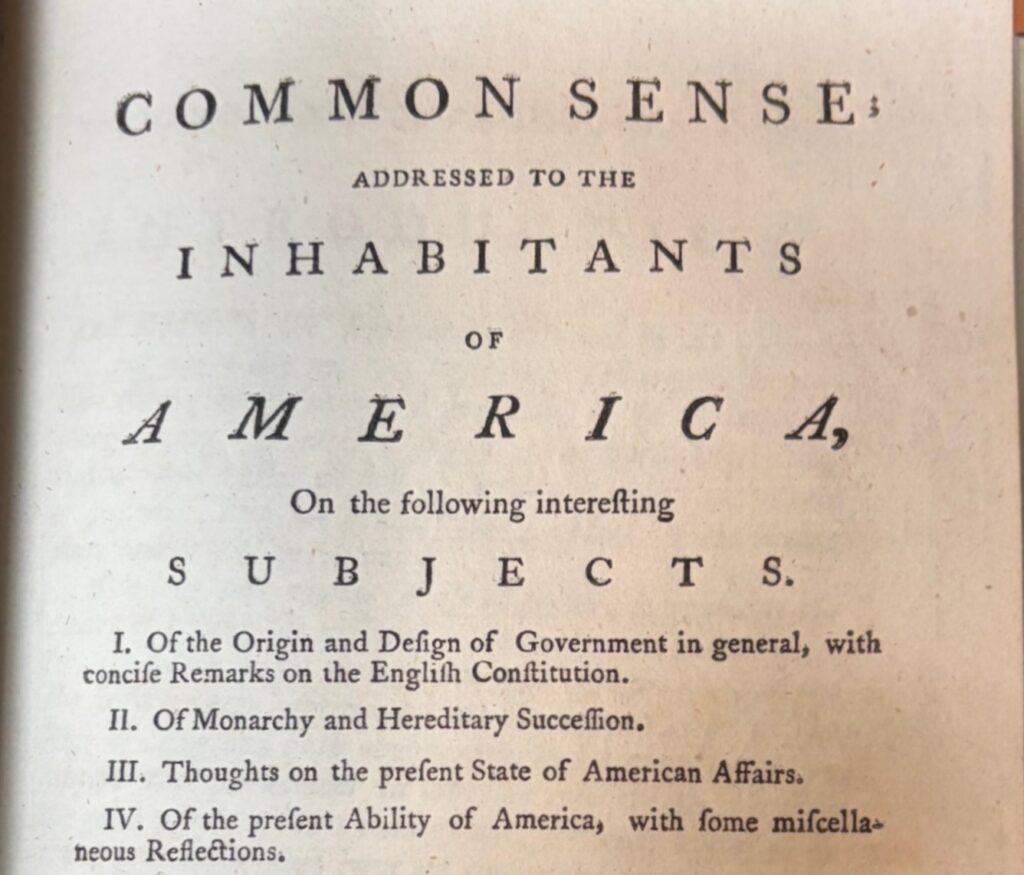
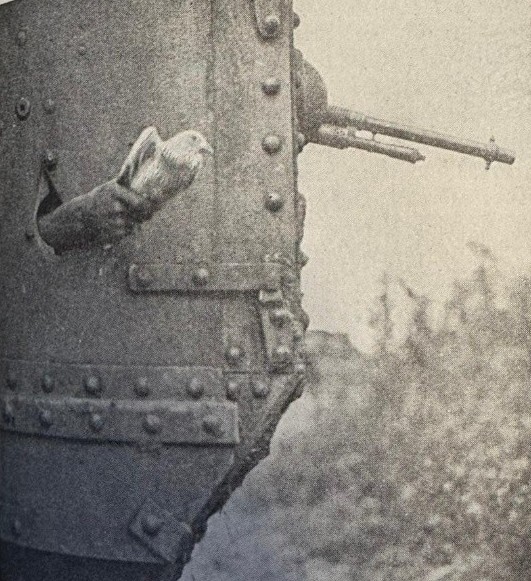
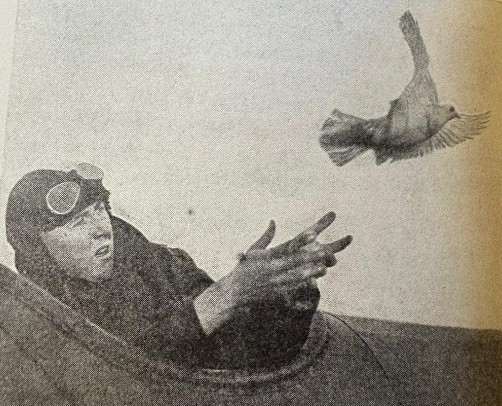
Not to be confused with the feral birds in Trafalgar Square, homing pigeons are taught to navigate to a particular place, often more than 1000 miles away. Scientists believe homing pigeons use a combination of methods, including the Earth’s magnetic field, low frequency sound waves and visual landmarks, to orient themselves.
Used by Gauls and Napoleon, homing pigeons were a critical communication link during the Great War. Nascent radio waves and telephones were not yet reliable technologies in the field. The US Army Signal Corps sent almost 600 pigeons to France, including the legendary Cher Ami.
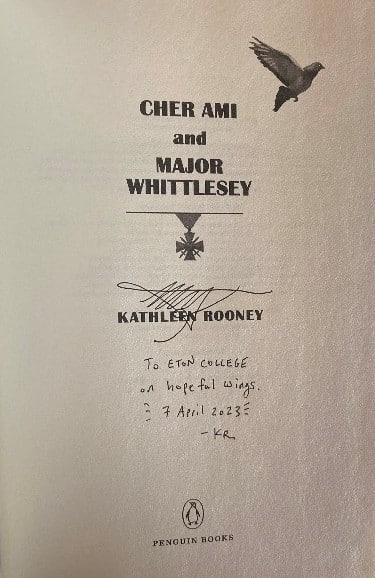
Recently added to the Macnaghten Library was the novel, Cher Ami and Major Whittlesey. The author Kathleen Rooney inscribed it “To Eton College, on hopeful wings 7 April 2023.” The Macnaghten Library opened in 1938 and was dedicated to the 53 old boys from Hugh Macnaghten’s House, and eight other friends of the donor, who were killed during the First World War. It aims to show all aspects of the conflict and holds many books signed by their authors.
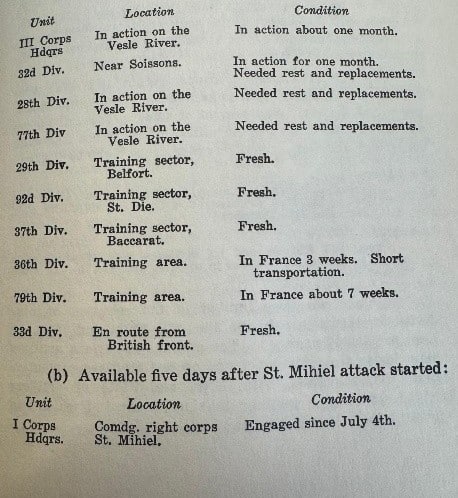
Cher Ami received the Croix de Guerre for delivering the message of the Lost Battalion during the Meuse-Argonne Offensive in 1918. The American 77th Division had been cut off in an unknown location from the other American troops on 2 October. On 4 October, American planes began bombing and accidentally killed 30 of their own men. Out of range for radio signals, Major Charles Whittlesey launched six homing pigeons carrying messages – and all were shot down by German machine guns. A seventh pigeon flew away without the message cannister.
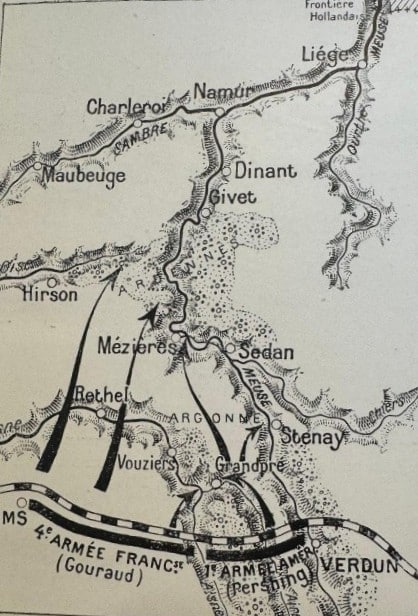
Cher Ami was their final remaining pigeon. Whittlesey wrote in his message, “We are along the road parallel to 276.4. Our own artillery is dropping a barrage directly on us. For heaven’s sake, stop it.”
Cher Ami, like the birds before her, took to the air, was shot and fell to the ground – but resumed flight and flew more than 25 miles in less than 30 minutes.
When she arrived at her homing station, the American military base, she was bleeding from her chest and blind in one eye but the critical message cannister was still strapped to her dangling right leg. The bombing stopped and on 8 October men returned to the American line. Cher Ami died from her war wounds just over six months later in Fort Monmouth, New Jersey.
Her body was stuffed and given to the Smithsonian Museum in 1921. One hundred years later, DNA tests confirmed that the stuffed bird was actually male. Cher Ami is on display at the Smithsonian National Museum of American History.
A silent film with footage of the Lost Battalion was made less than a year after the battle, with the veterans from the battle acting for the film. At 1:01:40 is footage of the real Cher Ami.
The Macnaghten Library will be reopening later this year after renovations. The tradition of remembrance endures.
Thomas B (Year 12)