
Menu
Hit enter to search or ESC to close
Collections Menu
  • Collections Home
  • Visit Us
  • What’s On
  • Museums
  • Collections
  • Learning & Engagement
  • Resources & Research
  • Search the Collections
  • Join & Support
  • Contact
  • ETON COLLEGE
  • PARENT PORTAL
  • EMPLOYMENT OPPORTUNITIES
  • THE TONY LITTLE CENTRE (CIRL)
  • ETONX
  • COLLEGE COLLECTIONS
  • OEA ONLINE
  • FACILITIES FOR HIRE
What’s On
  • Exhibitions
  • Museum and Gallery Openings
  • Events
  • Heritage Tours
  • Online Exhibitions
  • Past Exhibitions
Back
Museums
  • Museum of Antiquities
  • Museum of Eton Life
  • Natural History Museum
Back
Collections
  • Archives
  • College Library
  • Fine and Decorative Art
  • Collections Care
Back
Learning & Engagement
  • Digital Learning Resources
  • Schools
  • Families
  • Colleges and Universities
  • Adult Groups
Back
Resources & Research
  • Search the Collections
  • Blog
  • Online Resources
  • Image Service
  • Loans
  • Research Facilities
Back
Join & Support
  • Friends of the Collections
  • Donate
Back
Contact
  • Contact Details
Back

Home Resources & Research Blog

Life is a Cabaret! The Plight of Seed-eating Birds

04 Mar 2018

Natural History Museum

Life is a Cabaret! The Plight of Seed-eating Birds

Home News & Diary School Blog

Life is a Cabaret! The Plight of Seed-eating Birds

Natural History Museum

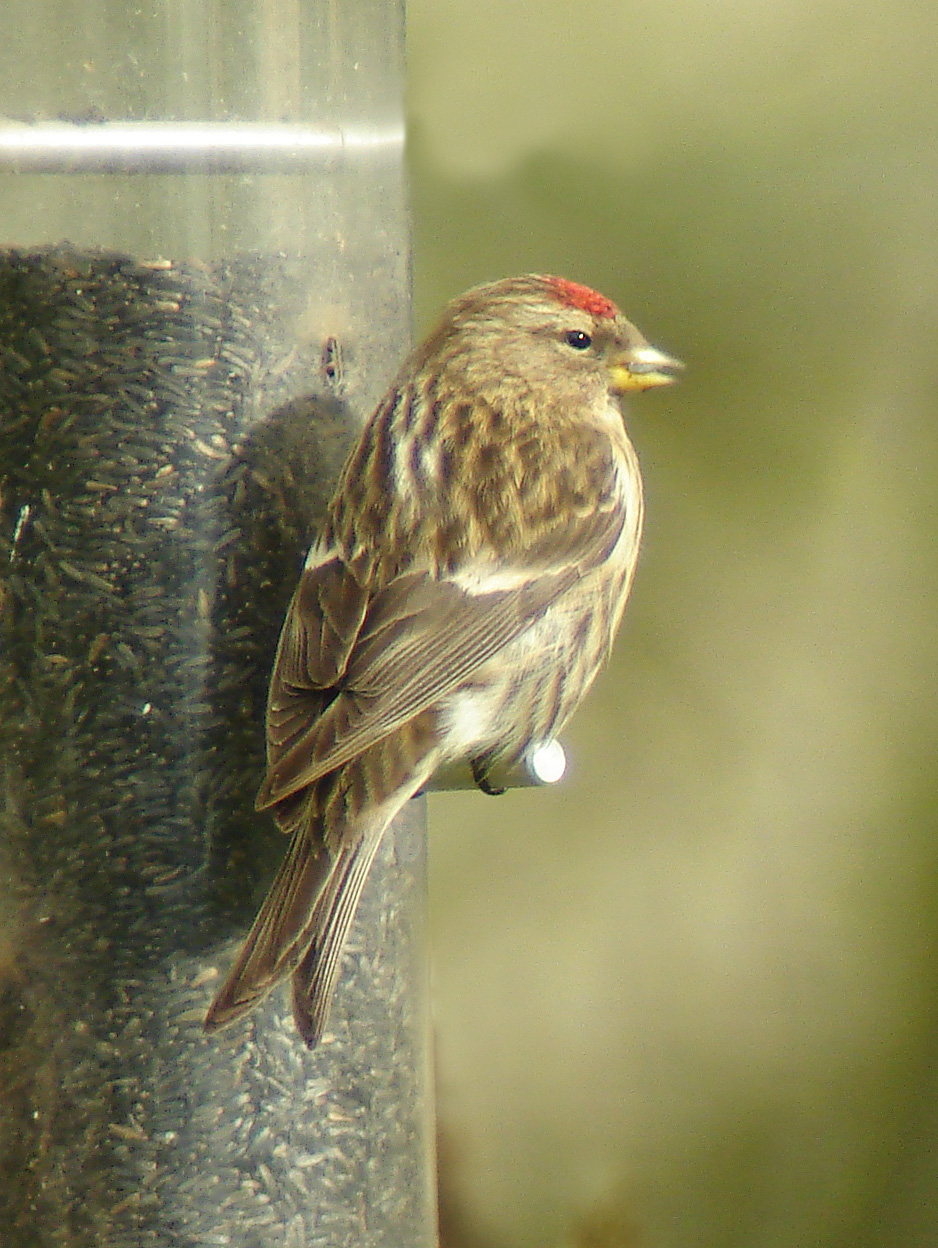
Redpoll 21-02-08_

Photo of a Redpoll courtesy of Phil Tizzard of Bucks Bird Club.

One benefit of extreme weather is that unusual visitors are drawn to my Nyjer seed bird-feeder.  Recently, a Lesser Redpoll fed voraciously for a couple of days, happily displacing a charm of Goldfinches that normally enjoys dining rights.  Redpolls, like so many small seed-eating birds, have declined massively in the last fifty years.  Studies show that the British Redpoll population has dropped by 86% over the period 1970 – 2013, along with similar declines for species like Yellowhammers, Linnets, Bullfinches and Tree and House Sparrows.  These declines are largely due to changes in agricultural practices, especially the widespread use of herbicides on arable land.  The trend for planting autumn-sown cereals rather than spring-sown has also had a huge effect because fields are no longer left as stubble over winter as they once were.  The loss of traditional meadows has also hit these species hard, reminding us how lucky we are locally to be surrounded by hay meadows still managed appropriately by the College.  Even the efficiency of modern farming methods has reduced the availability of spilt grain to birds: for example, the average grain spillage from combine harvesters decreased by 90% in the period from 1970 – 2000.

It is not all doom and gloom, however.  There are new food sources: oilseed rape seeds form in May and are available for seed-eating birds until they are harvested in July.  As well as feeding on farmland seeds, Redpolls also love feasting, sometimes in large flocks, on Birch and Alder seeds, especially by the riverside.  In Berkshire, Redpolls have also enjoyed the coniferous plantations and adjacent mixed scrubby heathland.

Redpolls have one of the most glamorous Latin names, by the way: Carduelis cabaret.  With a name like that, I am more than happy for this species to put on a show in my garden!

 George Fussey

Curator
Back to all blogs
Previous

Operation Ozymandias

28 Feb 2018

Next

Orwell at Eton

25 May 2018

Contact Us

Collections Administrator
Eton College Collections
Eton College
Windsor
SL4 6DB

01753 370 590

[email protected]

Quick Links

  • Online Resources
  • Search the Collections
  • Archives
  • College Library
  • Fine and Decorative Art
  • Museum of Antiquities
  • Museum of Eton Life
  • Natural History Museum
  • Collections Care
  • Contact Details
Registered Charity Number 1139086
© Eton College 2025
Web design by TWK